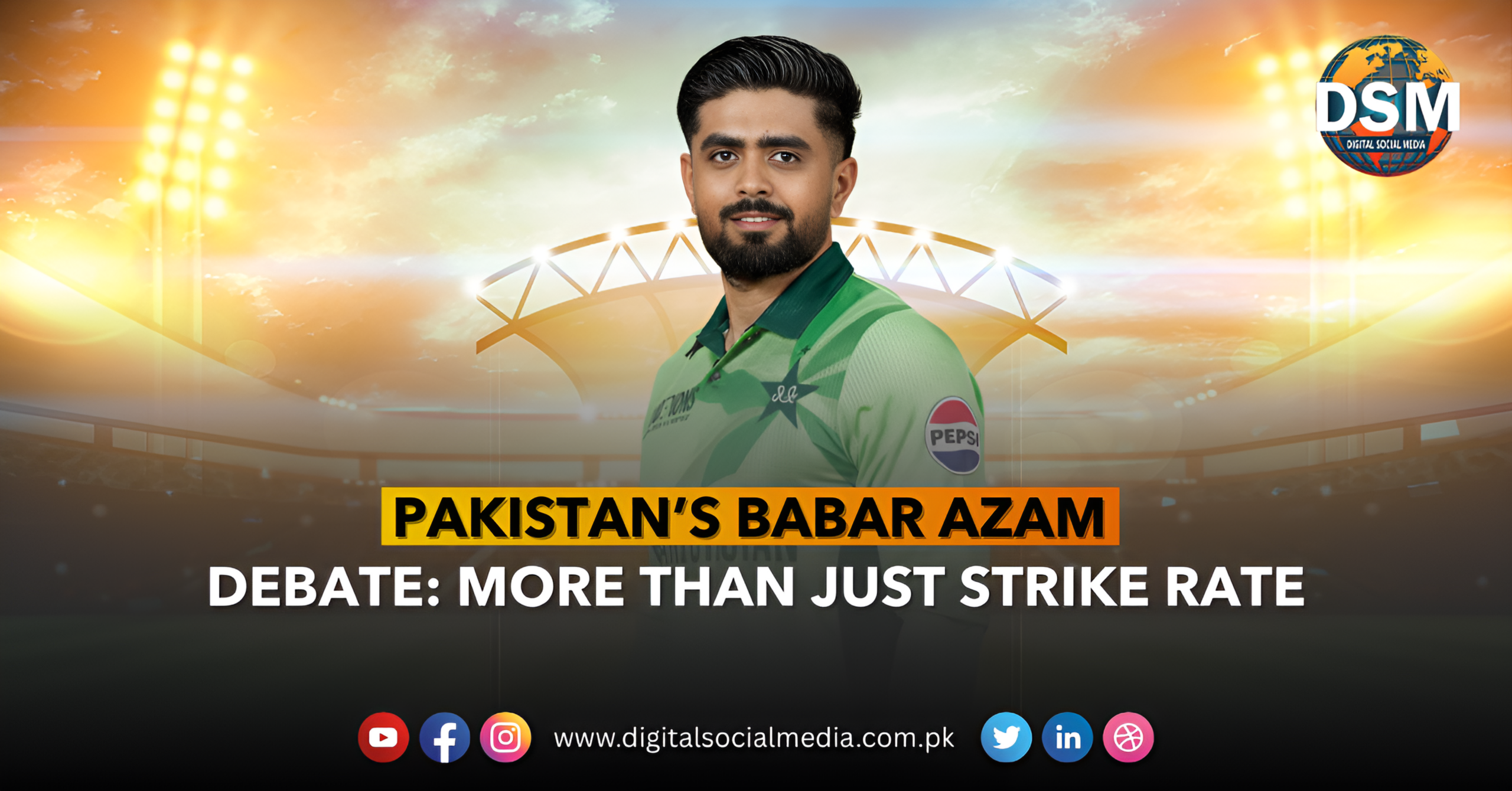
Pakistan’s Babar Azam Debate: It’s Not Just About Strike Rate
In recent weeks, discussions around Babar Azam’s form in Twenty20 cricket have become a prominent topic among fans and experts alike. While Babar remains one of Pakistan’s most accomplished batters, there are concerns about his impact in T20 cricket that go beyond simply looking at his strike rate.
Exceptional Run Scorer With a Unique Role
Babar Azam holds the record for most runs scored in Twenty20 Internationals, accumulating more than any other batter in the format’s history. He has also scored more half-centuries than anyone else and hit hundreds of boundaries in T20Is, showcasing his consistency and ability to stay at the crease.
Despite these strong numbers, his strike rate — the speed at which he scores runs — has been a recurring point of discussion. Babar’s overall T20 strike rate of around 128.45 places him among the slower scorers when compared with other high-run T20 batters with similar tallies, and this has prompted some debate about his effectiveness in the shortest format.
Performance Context and Recent Results
Concerns intensified after recent performances in Australia’s Big Bash League (BBL), where Babar scored modest runs at a lower strike rate, drawing attention to how his batting style translated in high-tempo conditions. In T20 internationals since his recall to the Pakistan team, he has delivered some important innings but has also recorded a few low scores, contributing to mixed impressions of his current form.
It is worth noting that Babar was previously left out of some T20I squads as Pakistan experimented with different batting combinations. His absence allowed other players to move up the order, creating broader tactical adjustments.
Understanding the Strike Rate Conversation
While strike rate is often highlighted in modern T20 cricket, it is just one aspect of a player’s contribution. Babar’s style has traditionally focused on building innings, anchoring the batting order, and providing stability, which sometimes comes at the expense of rapid scoring early in the game. This anchored role can be valuable when the team needs a reliable top-order presence, but it may not always align with the expectations of high-tempo powerplay scoring.
Critics argue that in today’s fast-paced T20 environment, players who can combine consistency with aggressive scoring are often preferred. Supporters of Babar point out that his technical skill, timing, and ability to rotate the strike remain strengths that contribute to team performance — even if they do not always reflect in traditional strike-rate metrics.
Balancing Experience and Team Strategy
Pakistan’s leadership, including captain Salman Ali Agha and coach Mike Hesson, have publicly backed Babar’s place in the team, emphasising his recent contributions and the unique role he plays within the squad. They have highlighted that conditions and role clarity will shape how players are utilised, and Babar’s experience at the top of the order remains a key asset.
Strategic discussions often revolve around how best to blend experience with evolving T20 tactics. Babar’s presence at the crease can offer stability and consistency, while younger players with higher strike rates provide the aggressive momentum needed in different match situations.
Looking Ahead With Confidence
The debate around Babar Azam is a reminder of how cricket continues to evolve. Modern T20 cricket rewards versatility, strike power, and adaptability, yet experience and consistency are also valuable components of a competitive team.
As Pakistan prepares for future challenges, including the T20 World Cup, balancing these elements will be important. Babar’s journey reflects both the respect earned from years of high performance and the natural scrutiny that comes with adapting to one of cricket’s most dynamic formats.
In the end, the conversation around Babar isn’t just about numbers — it’s about finding the right balance between tradition and modern strategy, experience and innovation, in Pakistan’s pursuit of success on the world stage.