
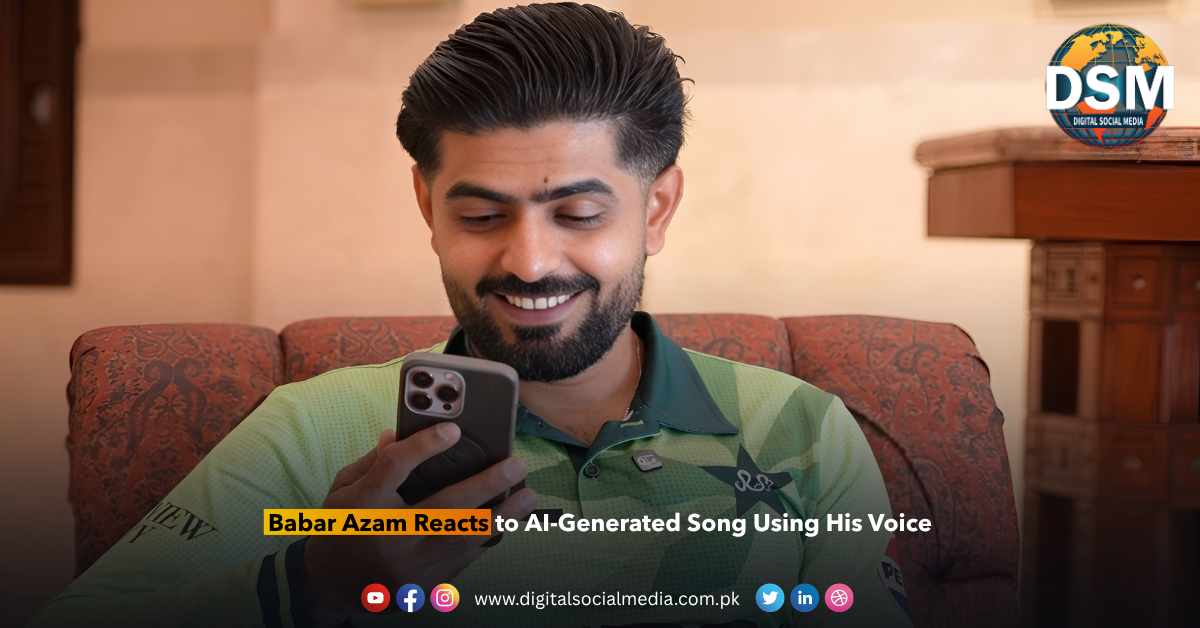
Babar Azam Reacts to AI-Generated Songs Using His Voice
Pakistan cricket star Babar Azam has reacted to the growing trend of AI-generated songs that imitate his voice, highlighting a fascinating intersection between sports, artificial intelligence, and digital content creation. As AI technology continues advancing rapidly, public figures around the world are increasingly finding their voices, images, and likenesses being replicated through sophisticated artificial intelligence tools.
The emergence of AI-generated songs featuring simulated celebrity voices has become a global phenomenon. Musicians, actors, athletes, influencers, and public personalities have all experienced the effects of artificial intelligence technologies capable of producing realistic audio content that closely resembles their speech and vocal patterns.
For Babar Azam, one of Pakistan’s most recognizable sporting personalities, the trend has generated significant attention among cricket fans and social media users. AI-created songs using a voice modeled after the star batter have circulated widely across digital platforms, sparking discussions about creativity, technology, and digital identity.
Artificial intelligence has transformed content creation in recent years. Advanced machine learning systems can now generate text, images, videos, and audio that often appear remarkably realistic. Voice-cloning technology, in particular, has progressed rapidly, enabling developers to recreate speech patterns and vocal characteristics with increasing accuracy.
While many users view such content as entertaining and innovative, experts continue debating the ethical, legal, and privacy implications of AI-generated media.
The popularity of AI-generated celebrity content reflects broader public fascination with emerging technologies. Fans often engage with these creations out of curiosity, humor, or admiration for their favorite public figures.
However, the growing accessibility of voice-cloning tools has also raised important questions regarding consent, authenticity, and intellectual property rights.
Public personalities frequently build careers around their unique identities and personal brands. As artificial intelligence becomes more capable of replicating those identities digitally, discussions surrounding ownership and responsible use continue gaining importance.
Babar Azam’s response to AI-generated songs has drawn considerable interest because of his status as one of Pakistan’s most influential athletes. The former captain remains among the country’s most followed sports figures, with millions of fans across social media platforms and cricket communities worldwide.
Any digital trend involving a figure of his popularity naturally attracts substantial public attention.
The broader conversation extends beyond sports. Governments, technology companies, creators, and legal experts are actively examining how artificial intelligence should be regulated to balance innovation with responsible usage.
AI-generated content offers numerous positive applications, including accessibility tools, creative assistance, educational resources, and entertainment experiences. At the same time, concerns regarding misinformation, impersonation, and unauthorized digital reproduction continue shaping policy discussions.
The sports industry itself is becoming increasingly connected to emerging technologies. Artificial intelligence now plays important roles in performance analysis, fan engagement, broadcasting, data analytics, and content production.
As athletes become major digital brands, interactions between sports personalities and AI-generated content are expected to become more common.
Many fans have responded positively to the viral AI songs, viewing them as harmless entertainment and evidence of technological advancement. Others believe stronger safeguards should exist to ensure public figures maintain control over how their voices and identities are used.
Industry observers note that the future of AI-generated media will likely depend on achieving a balance between creative freedom and ethical responsibility.
Transparency remains a key factor in this debate. Clear labeling of AI-generated content may help audiences distinguish between authentic recordings and digitally created material.
Technology companies worldwide are increasingly exploring methods to improve content authenticity verification while supporting responsible innovation.
For cricket fans, Babar Azam’s reaction has added another layer of interest to an already viral online trend. The incident demonstrates how rapidly artificial intelligence is influencing everyday digital experiences and reshaping interactions between celebrities and their audiences.
As AI tools continue evolving, similar situations involving athletes, entertainers, and public figures are likely to become increasingly common.
The discussion surrounding AI-generated songs using Babar Azam’s voice ultimately reflects a larger global conversation about technology, creativity, identity, and digital rights in the age of artificial intelligence.
With innovation accelerating at an unprecedented pace, society will continue exploring how to maximize the benefits of AI while addressing the challenges that accompany transformative technological change.